How far have the residents of the Vitebsk region progressed in solving the plastic problem?
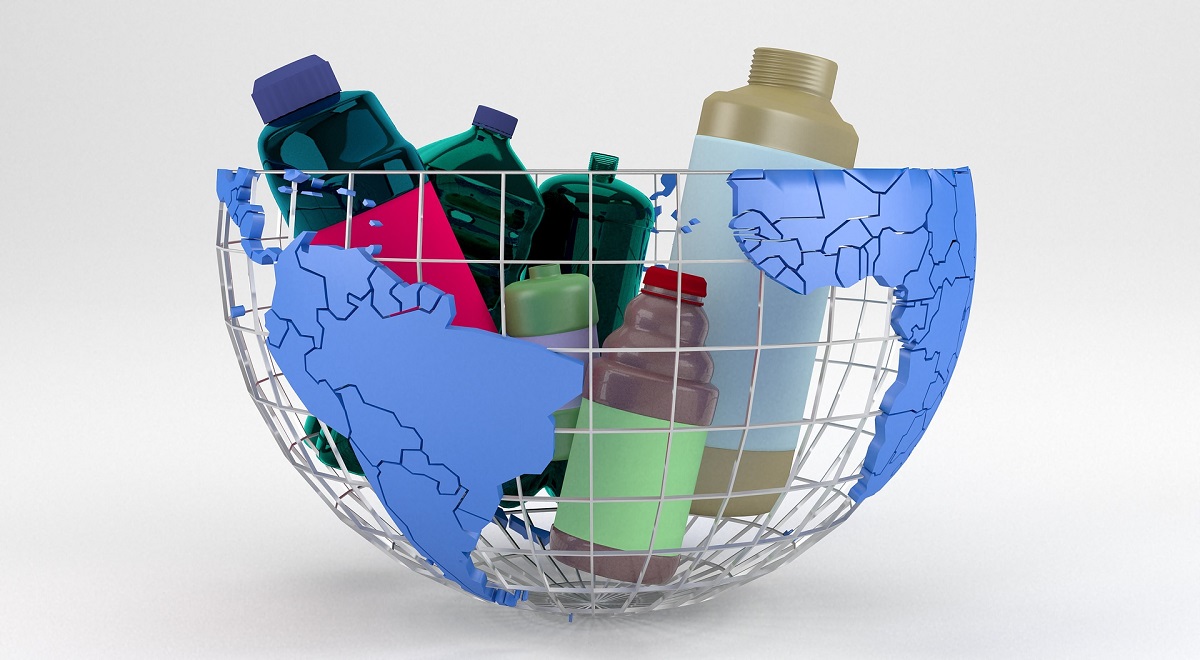
Annually, over 300 million tons of plastic waste are generated on the planet, which is the main pollutant of the environment. The problem is that it decomposes into microplastics, entering the food chains and causing immense harm to all living things. Therefore, it is no coincidence that this issue is discussed in society and important decisions are made at the state level. Belarus is not standing aside from this process. Waste management issues in our country are addressed at the highest level and are enshrined in legislation.
The solution to the plastic problem involves a complex of issues related to the collection, sorting, and processing of such waste, which implies building a logical chain at all stages. If there is secondary raw material, it must be reused. If the goal is to displace non-ecological packaging from use, then consumers must be offered something more suitable in return. And here it is impossible to do without opening new sorting lines, factories, and production facilities.
– What is being done in this direction in the Vitebsk region? – I asked the head of the department of the regional committee for natural resources and environmental protection, Valery Yudenkov.
– The plastic problem has prompted housing and communal services workers to pay special attention to more in-depth sorting of solid municipal waste in order to extract the maximum amount of recyclables. To this end, a container system for separate collection of municipal solid waste is being implemented in the settlements of the region. About 40,000 special containers have already been installed, including 200 in the individual housing sector this year. No mass event, where a particularly large amount of plastic waste is generated, goes without collecting, sorting, and sending it for reuse. Moreover, the construction of, for example, a waste sorting plant at the landfill in the regional center with a processing capacity of 100 thousand tons of solid municipal waste per year also contributes to the maximum extraction of recyclables. Construction and installation work is underway at the municipal solid waste landfill in Orsha. The Vitebskgrazhdanproekt Institute is developing project documentation for the Novopolotsk regional complex for municipal waste management.
– Are there any enterprises or productions in the Vitebsk region engaged in the production of environmentally safe packaging?
– More than 99% of plastic in the world is produced from substances derived from oil, natural gas, or coal – dirty, non-renewable resources, and half of it is discarded after the first use. Therefore, it is so important to replace plastic packaging with environmentally friendly alternatives. Many enterprises in the region are engaged in the production of such products.
More than 300 million tons of plastic waste are generated annually on the planet, which is the main pollutant of the environment.
For example, Vitebsk Cardboard and Printing Plant "Pokrovsky" produces packaging made of paper, cardboard, and corrugated cardboard. In August, a line for the production of corrugated boxes was launched here. The Chashniki branch of "Bumazhnaya Fabrika 'Krasnaya Zvezda'" of OJSC "Svetlogorsk CKK" produces paper bags. "Spektr Upakovki" factory produces boxes and packaging made of corrugated and micro-corrugated cardboard. Private enterprises are also involved in this good cause, such as "Tandipack," which manufactures wooden containers and veneer baskets, "Tara-Servis" – paper boxes, "BelWoodStick" – stirrers for products, and wooden cutlery, "VitEcoPro" – paper straws for drinks. The republic has 160 manufacturers and importers of containers, packaging products, and disposable tableware made of glass, paper, and cardboard, and produces tableware from biodegradable raw materials – sugarcane and corn starch.
– Who are the consumers of eco-friendly packaging, as it is no secret that it is more expensive, and therefore the price of the product is higher?
– Priorities must be clearly set here. If we are displacing plastic from use, then we are confidently moving along the chosen path. Eco-friendly packaging is becoming increasingly in demand. In particular, from industrial enterprises that are part of the Vitebsk Concern "Myaso-Molochne Produkty" (Meat and Dairy Products). All branded stores of the concern are sufficiently supplied with paper bags and sacks. Moreover, Verkhnedvinsk Butter and Cheese Plant, Gluboksky Condensed Milk Combine, "Tolochinskie Syry" branch, and Postavy Dairy Plant use parchment for packaging bulk butter, wrapping approximately 44% of the manufactured products. It has become a trend for meat processing enterprises to produce meat products in natural casings (56% of the volume). Vitebsk and Polotsk Grain Processing Plants pack flour in paper bags. Products of LLC "Allianceplast" are placed in boxes, crates, and containers made of corrugated paper and cardboard.
– Do we have manufacturers of biodegradable packaging?
– In February, the company with Iranian capital, BRR Arshiyo ECO Health LLC, was registered as a resident of the FEZ "Vitebsk". The investment project involves the creation of a complex of production facilities in the territory of the free economic zone, including the production of biodegradable disposable tableware and food packaging.
– In this regard, it is appropriate to recall that in April of this year, the Ministry of Natural Resources and Environmental Protection concluded two agreements with Belkoopsoyuz and the Euroopt retail chain on cooperation to reduce plastic use.
– Absolutely. Food service establishments and large retail chains in the country should be the initiators in this important matter. In retail and food service establishments, systematic monitoring is carried out, and control is exercised over compliance with the ban on the use and sale of disposable plastic tableware from January 2021, according to the approved list. Analysis of international experience and assessment of the progress of the action plan indicate the important role of retail outlets in reducing plastic use, as they are capable of convincing product suppliers and customers to switch to environmentally friendly packaging. And its production from local raw materials will help create new jobs, which will contribute to economic development. Thus, the signed agreements will raise the fight against plastic to a higher level, and will help involve broad sections of the population, including rural ones, in this process.