A decrease in HIV infection incidence is noted in the Vitebsk region
- Over the past five years, the region has managed to stabilize the situation with the spread of the process. The prevalence rate in the territory is also relatively low – 124.9 per 100,000 population. The region ranks sixth among all regions of the republic, with only the Grodno region having a better indicator. Another positive trend: for five years, no cases of HIV transmission have been recorded in the region among children born to HIV-positive mothers. The most serious measures are being taken for this, starting from the early stages of pregnancy and accompanying the woman after the child's birth.
Along with this, there are also alarming aspects, emphasized Valentina Ananyeva. One of them is related to the increase in the sexual route of HIV transmission. For January-October, it accounted for 90.1% of infections. This is alarming because it concerns the entire population as a whole and requires a responsible attitude from everyone towards personal safety and prevention measures.
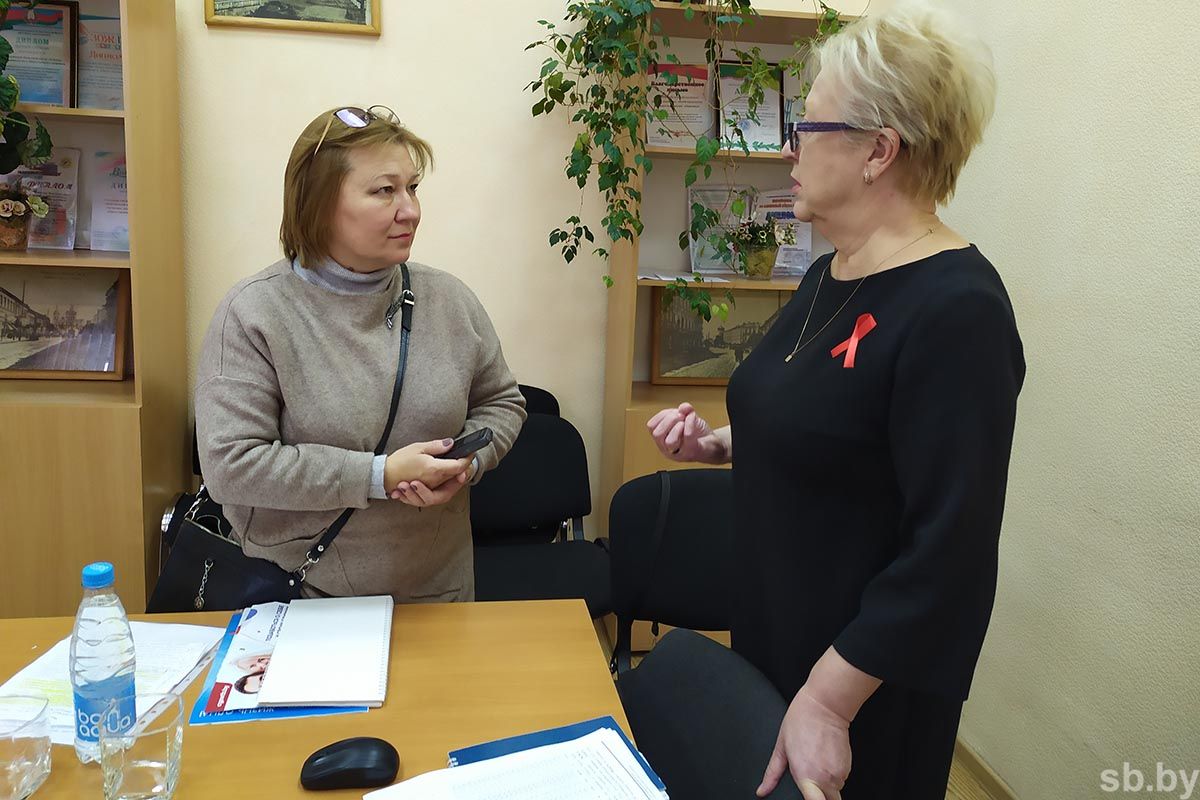
Every year on December 1, World AIDS Day is celebrated worldwide. Its main goal is to increase public awareness about the possibilities of modern methods of disease prevention and diagnosis, treatment technologies, and ultimately, to reduce the prevalence rate, reminded Vladimir Sinkevich, Chief Physician of the Vitebsk Regional Center for Hygiene, Epidemiology and Public Health:
- In the Republic of Belarus, HIV prevention activities are carried out within the framework of the state program "Health of the People and Demographic Security" for 2021-2025. It is worth noting the overall success achieved in the prevention of this disease. A system has been created in the country to ensure maximum accessibility to counseling and testing for HIV infection. Testing, including anonymous testing, can be done in any healthcare facility with a procedure room. HIV prevention offices and anonymous counseling centers operate on the basis of state medical institutions and non-governmental non-profit organizations. Since 2018, universal access of patients to antiretroviral therapy has been provided. The production of these drugs has been established in the country.
According to Vladimir Sinkevich, various informational and educational events are planned within the framework of the World AIDS Day, which will be held in the format of meetings, campaigns, flash mobs, contests, exhibitions of works, etc. Taking into account the epidemiological situation, significant attention will be paid to preventive measures among the working population and labor migrants.
For reference: annually on December 1, preventive events are held worldwide within the framework of the World Campaign against HIV/AIDS, timed to coincide with World AIDS Day.
World AIDS Day was established in 1988 on the initiative of the World Health Organization and the UN General Assembly. This day has become one of the most important international days related to raising awareness and celebrating achievements in HIV prevention and expanding access to treatment. The symbol of the fight against AIDS is a red ribbon, which signifies support, compassion, and hope for an AIDS-free future.
World AIDS Day is always dedicated to a specific theme. This year's theme is "Time for Equality." Four decades into the AIDS epidemic, inequality in access to testing, medicines, new technologies, and scientific data in African and Asian countries continues to exist. The problem
the spread of HIV infection remains one of the medical and social global challenges faced by all states without exception. It is necessary to further expand access to quality prevention, diagnosis, and treatment of the disease; programs to support key and vulnerable population groups; and to implement measures that contribute to the elimination of inequalities and the eradication of AIDS.According to the World Health Organization, the global number of people living with HIV in 2021 was 38.4 million people, and since the beginning of the epidemic, 40.1 million people have died from AIDS-related diseases.
As of November 1, 2022, more than 24,000 people with HIV-positive status live in Belarus, and 1379 in the Vitebsk region. Over the past decade, the largest number of new cases has been registered in the age group of 35-49 years, with sexual transmission being the predominant route of HIV transmission – accounting for more than 80% of newly detected cases.
The Republic of Belarus consistently pursues an active policy in the field of combating the spread of HIV/AIDS. As part of national response measures to the spread of HIV infection, the State Program "People's Health and Demographic Security" for 2021–2025 is being implemented, which defines the tasks and ways to achieve UNAIDS' new strategic goal of "95-95-95", including measures to involve all people living with HIV in treatment programs, including those from key population groups, as well as maintaining and expanding scientifically based HIV prevention measures.
A system has been created in our country that ensures maximum accessibility to counseling and testing for HIV infection. Testing, including anonymous testing, can be done in any healthcare facility with a procedure room. HIV prevention offices and anonymous counseling centers operate on the basis of state healthcare organizations and non-governmental non-profit organizations, providing counseling and testing services forHIV infection for key populations. HIV testing can be done not only in a healthcare facility but also at home independently by purchasing a test at a pharmacy.
Since 2018, Belarus has provided universal access for patients to antiretroviral therapy, meaning the state guarantees the provision of HIV infection treatment to all people living with HIV, regardless of the stage of the disease or immune status. Currently, 87% of people living with HIV in the republic receive antiretroviral therapy, thereby preserving their health and quality of life; in the Vitebsk region, this figure is 85%. Over the past five years, the coverage of HIV infection treatment has increased 1.8 times. The country has established the production of antiretroviral drugs, which accounts for 82.1% of all currently prescribed treatment regimens.
Thanks to the coordinated work of state, international, and non-governmental non-profit organizations, a stable trend towards a decrease in the incidence of HIV infection and AIDS, as well as mortality from HIV-related causes, has been formed in the Republic of Belarus. Belarus maintains the status of elimination of mother-to-child HIV transmission, and the geography of preventive services for key populations in state healthcare organizations is expanding.
As part of World AIDS Day, informational and educational events are organized in institutions and organizations. They will be held in traditional formats, such as campaigns, talk shows, and performances, as well as in modern formats using the internet space, flash mobs, contests, and exhibitions of works demonstrating personal attitudes towards the problem and suggestions for improving the effectiveness of preventive measures, and preventing stigma and discrimination against people living with HIV.
Given the epidemiological situation, significant attention will be paid to preventive measures among the working population, including labor migrants, with express saliva testing for HIV.
Join us on this World
World AIDS Day. The events held will once again draw attention to the seriousness of this problem, convey information on the prevention of HIV infection to the public, motivate safe and responsible behavior, and preserve one's health.